Why Buyers Go Silent After the Proposal — And How to Win Them Back
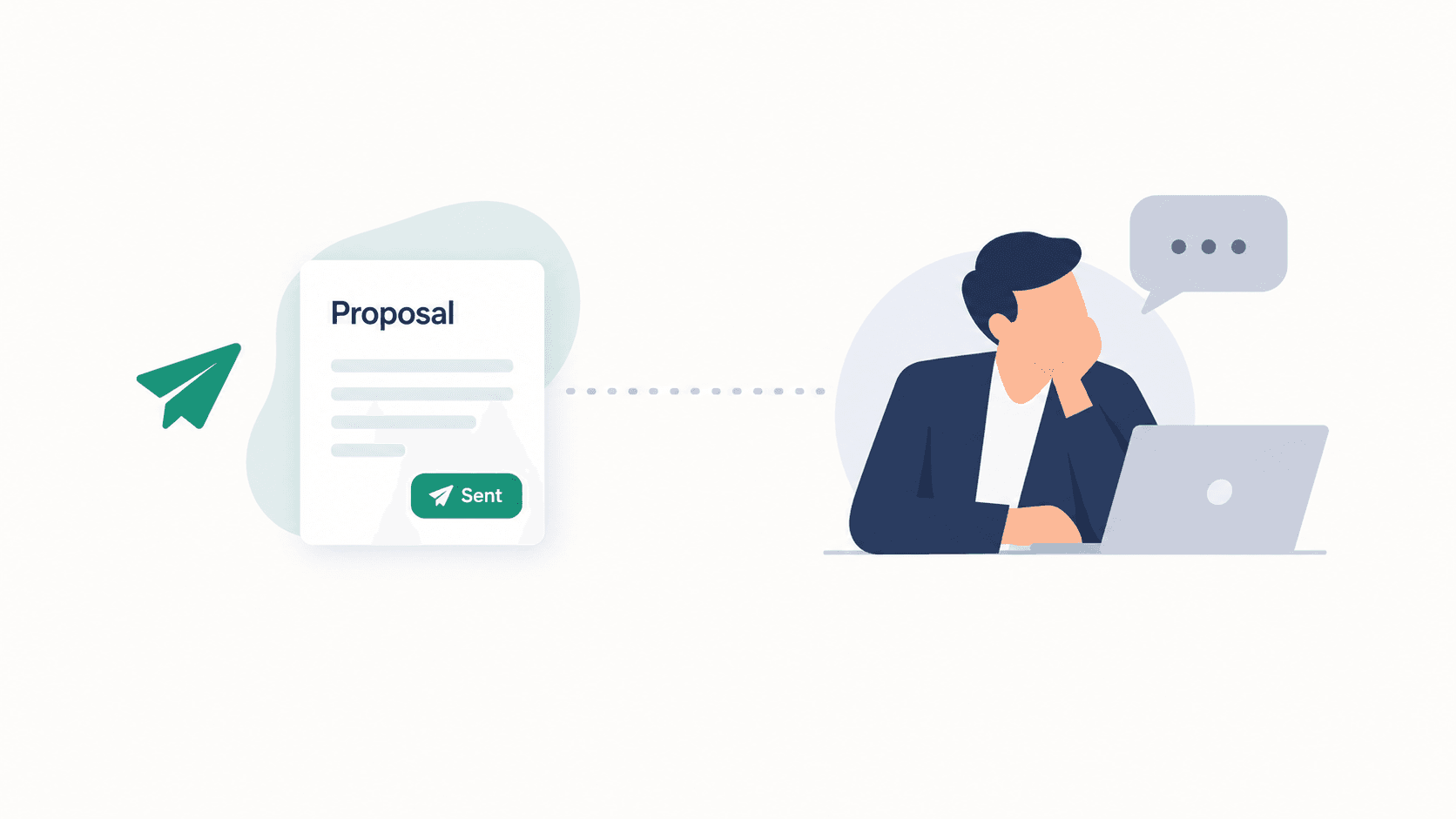
If you’ve ever sent a proposal only to hear... nothing, you’re not alone. The dreaded silence can leave your sales team frustrated and unsure of what went wrong. Did the email get lost? Did the buyer forward it to legal? Or did they decide to go with a competitor without telling you? The uncertainty is maddening, and it can cost your team both time and revenue.
Key takeaway: The silence after a proposal is often due to misalignment or inefficiencies in the buyer's internal process. IntoPact’s shared deal rooms solve this by providing visibility, capturing objections, aligning stakeholders, and structuring next steps to keep deals moving forward.
In this post, we’ll explore why buyers go quiet, the challenges of post-proposal execution, and how B2B teams can end the silence with a structured system like IntoPact.
Why Do Buyers Go Silent After a Proposal?
Sending out a proposal is only half the battle. What happens next is often a black box, especially when you're dealing with complex B2B sales involving multiple stakeholders. Here are the most common reasons buyers go silent:
-
Internal Misalignment
- The buyer is interested, but internal stakeholders haven’t bought in yet. Misalignment can stall decisions for weeks—or indefinitely.
-
Competing Priorities
- Your proposal may have landed at the wrong time. Budget reviews, quarterly planning, or competing projects can take precedence.
-
Objections That Aren’t Shared
- Your buyer may have concerns—pricing, terms, or implementation details—but chooses not to voice them directly.
-
Lost Momentum
- Without clear next steps, the deal loses steam. Each passing day makes it less likely the buyer will take action.
-
Complex Handoffs
- Your proposal might be stuck in legal review or procurement, but without visibility, you’re left guessing.
Understanding these roadblocks is the first step in breaking the silence. The next step is adopting tools and processes that address these challenges head-on.
The Problem with Disconnected Tools
Most B2B sales teams rely on a patchwork of tools: CRMs for contact tracking, proposal software for pricing and documents, and separate systems for contracts and invoicing. While this might work for small, straightforward deals, it often falls apart when the stakes are higher. Here’s why:
- Lack of Visibility: Once a proposal is sent, it’s difficult to track who has viewed it, shared it, or commented on it.
- No Stakeholder Collaboration: If the buyer needs input from legal, finance, or procurement, the communication often happens outside your field of view.
- Manual Handoffs: Moving from proposal to contract and invoicing often requires re-entering data into multiple systems, introducing delays and errors.
Disconnected tools leave sales teams blind to the buyer’s decision-making process, which can result in lost deals and wasted time.
How IntoPact Keeps Deals Moving Forward
This is where IntoPact comes in. Unlike traditional tools that stop at the proposal stage, IntoPact is designed to own everything that happens next—stakeholder alignment, objections, pricing negotiations, and acceptance. Here’s how it works:
1. Shared Deal Rooms
Every deal lives in one shared URL where both the seller and buyer collaborate. Buyers can invite their stakeholders—legal, finance, procurement—without needing to log in. This eliminates communication silos and ensures everyone is on the same page.
2. Objection Tracking
When a buyer raises concerns, they’re captured directly in the deal room. This makes objections visible to all stakeholders and allows your team to address them promptly, avoiding silent deal killers.
3. Structured Next Steps
With IntoPact, next steps are clear, assigned to specific owners, and tied to deadlines. Automated reminders keep the process moving, ensuring no one drops the ball.
4. Dynamic Pricing Configurator
Forget static PDFs. IntoPact’s pricing configurator allows buyers to adjust timing, frequency, and payment terms, with live price adjustments. This empowers buyers while giving you full visibility into their preferences.
5. Automated Contracts and Invoicing
Once terms are accepted, contracts are auto-generated and invoices are scheduled based on the buyer’s selections. This eliminates manual handoffs and ensures a seamless transition from proposal to payment.
The Benefits of Owning Post-Proposal Execution
Taking control of the post-proposal process doesn’t just prevent deals from stalling—it also creates a better experience for your buyers. Here are some of the key benefits:
- Faster Close Rates: By eliminating bottlenecks and manual processes, you can shorten the time from proposal to close.
- Improved Buyer Experience: Streamlined communication and transparent collaboration build trust and confidence with your buyers.
- Higher Win Rates: Addressing objections and aligning stakeholders increases your chances of securing the deal.
- Accurate Forecasting: With real-time visibility, your team can better predict cash flow and plan resources.
4 Steps to Prevent Buyer Silence
If you’re ready to take action, here’s a simple roadmap to prevent buyer silence after your next proposal:
-
Adopt a Shared Deal Room
Create a single space where buyers and stakeholders can align, discuss, and move forward together. -
Anticipate Objections
Equip your team with tools that make it easy to capture and respond to buyer concerns in real time. -
Make Next Steps Clear
Always leave the buyer with a clear understanding of what happens next, who owns the action, and when it’s due. -
Streamline Pricing and Acceptance
Use dynamic tools that let buyers configure pricing and accept terms without delays or additional steps.
By following these steps—and leveraging platforms like IntoPact—you can close more deals and eliminate the frustration of buyer silence.
Why Now Is the Time to Act
In today’s competitive B2B landscape, speed and transparency can make or break a deal. Buyers expect a seamless experience, and they’re less likely to tolerate friction or delays. If your team is still relying on disconnected tools and manual processes, it’s time to rethink your approach.
With IntoPact’s all-in-one platform, you can take control of your deals from the proposal stage to cash flow forecasting—all without the need for handoffs or re-entry. Whether you’re a small team or a large sales organization, IntoPact is built to scale with you.
Conclusion: Silence Isn’t the End—It’s an Opportunity
When a buyer goes silent after receiving a proposal, it’s easy to assume the worst. But in most cases, the silence is just a symptom of deeper issues—misalignment, unclear next steps, or process bottlenecks.
By addressing these challenges with tools like IntoPact, your team can take control of the post-proposal process, improve collaboration, and close deals faster. Don’t let silence mean the end of a deal; use it as an opportunity to stand out with a seamless, buyer-focused experience.
Ready to close deals faster?
From “Contact Sales” to cash — one platform for structured B2B deals. No handoffs, no stitched tools.
Book a demo