Why Founders and B2B Teams Need a Free CRM
Running a B2B business isn’t for the faint of heart. From chasing leads to aligning stakeholders and negotiating contracts, every step in the sales process demands precision and coordination. As a founder, you’re likely juggling multiple hats—sales, marketing, operations—and trying to do it all efficiently. That’s where a CRM (Customer Relationship Management) system becomes your best ally.
But let’s face it—early-stage startups and small B2B teams often operate on tight budgets. Paying for a robust CRM tool may not be feasible right out of the gate. The good news? Free CRM options exist, and they can give you the foundational tools to manage your pipeline, track customer interactions, and close deals.
Key takeaway: A free CRM is a powerful starting point for founders and B2B teams to streamline their sales process without breaking the bank. It helps you organize contacts, track deals, and boost efficiency while laying the groundwork for future growth.
What to Look for in a Free CRM for B2B Teams
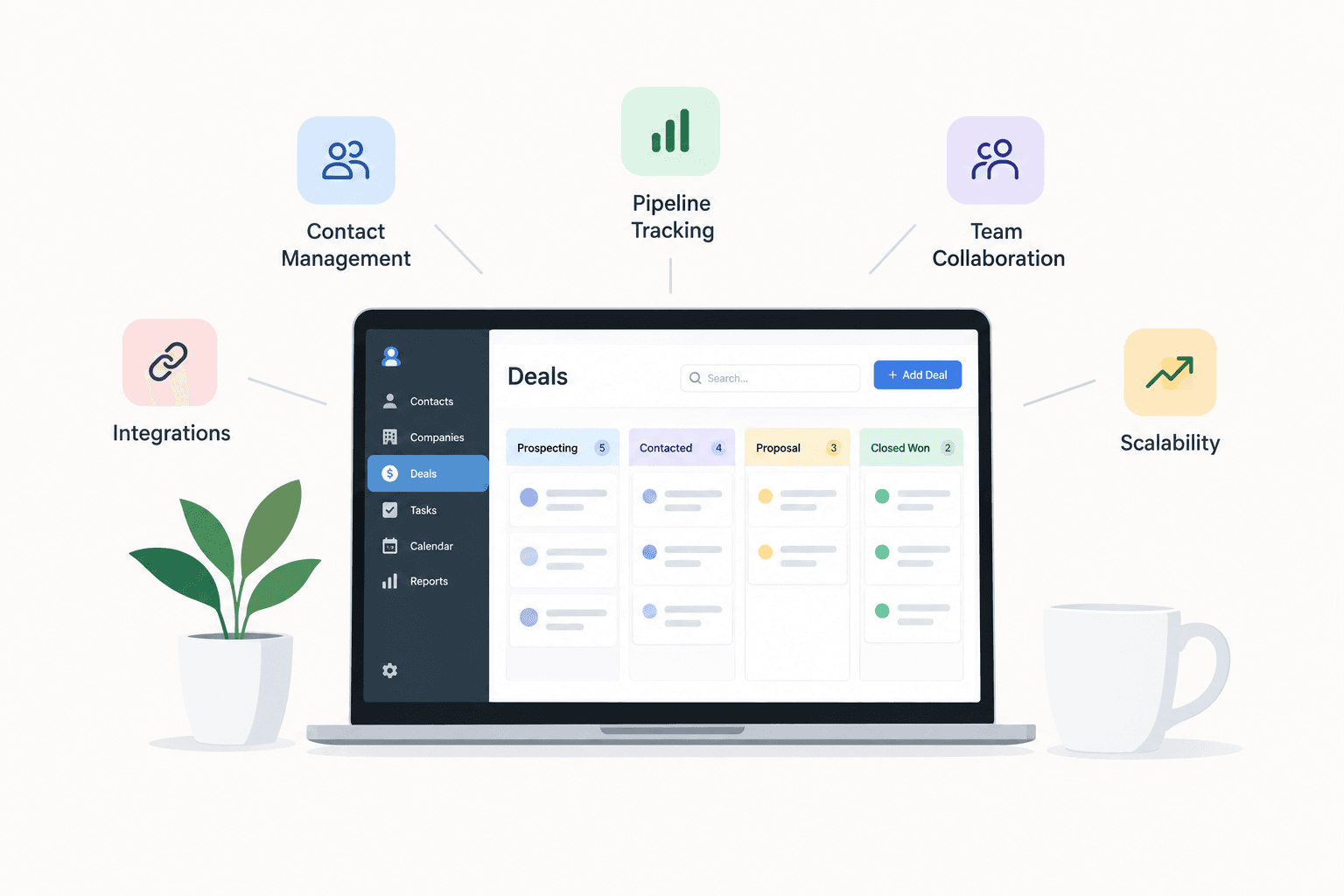
Not all free CRMs are created equal. While some offer robust features, others may lack the functionality required to support a B2B sales cycle. Here’s what you should prioritize when evaluating free CRMs:
1. Contact and Company Management
Your CRM should help you maintain a centralized database of contacts and companies. Look for features like:
- Easy import/export options for contact lists.
- Tagging and segmentation capabilities to organize leads.
- A 360-degree view of interaction history with each contact.
2. Pipeline Management
For B2B sales teams, managing a pipeline is critical. A good free CRM should allow you to:
- Visualize your sales stages.
- Track deals as they move through the pipeline.
- Assign tasks and deadlines to keep deals moving.
3. Collaboration Tools
B2B sales often involve multiple team members and buyer stakeholders. Your CRM should support:
- Shared deal information across your team.
- Activity tracking to avoid redundant follow-ups.
- Clear communication threads for internal and external collaboration.
4. Integration Options
Your CRM should integrate with the tools you already use, such as email, calendars, and marketing automation platforms. Bonus points if it enables auto-generation of deal-specific spaces like IntoPact’s deal rooms.
5. Scalability
Free CRMs often serve as a starting point, but you’ll need room to grow. Choose a system that offers affordable upgrades or advanced features as your business scales.
Top Free CRM Options for Founders and Small B2B Teams
Here’s a roundup of some free CRM options that cater specifically to B2B teams and startups:
1. HubSpot CRM
- Why it stands out: HubSpot offers a robust free CRM with unlimited users and up to 1,000,000 contacts. It’s ideal for small teams looking for a straightforward way to track leads and deals.
- Key features:
- Contact and deal management.
- Email and call tracking.
- Basic reporting dashboards.
- Limitations: Advanced automation features require upgrading to a paid plan.
2. Zoho CRM Free Plan
- Why it stands out: Zoho’s free CRM is perfect for small teams that need basic features without the fluff. It’s easy to use and integrates well with other Zoho tools.
- Key features:
- Lead and contact management.
- Workflow automation for up to 3 users.
- Task and activity tracking.
- Limitations: Limited to 3 users on the free plan.
3. Freshsales (Free Tier)
- Why it stands out: Freshsales offers a simple, user-friendly interface that’s great for startups new to CRM tools.
- Key features:
- Built-in email tracking and lead scoring.
- Customizable sales pipelines.
- Integration with Freshworks’ suite of tools.
- Limitations: Limited features compared to paid tiers.
4. IntoPact Lightweight CRM
- Why it stands out: IntoPact’s built-in CRM is tailored for B2B teams managing complex sales cycles. It includes tools like deal rooms for seamless buyer-seller collaboration.
- Key features:
- Contact and company management.
- Pipeline tracking with clear visibility into next actions.
- Auto-generated deal rooms for post-proposal execution.
- Limitations: While the CRM is free, advanced features like automated invoicing may require a subscription.
The Role of a CRM in Post-Proposal Success
Most CRMs focus on lead tracking and deal management up to the point where a proposal is sent. But what happens next? For B2B teams, the post-proposal stage is where deals can either thrive or go silent. Here’s how a CRM tailored for this stage can make a difference:
1. Stakeholder Alignment
B2B deals often involve multiple decision-makers. A CRM like IntoPact that supports shared deal rooms ensures everyone stays on the same page.
2. Objection Handling
Capturing and addressing objections in a visible, centralized thread can prevent deals from stalling.
3. Pricing and Deal Configuration
Advanced CRMs allow buyers to configure pricing, payment terms, and schedules directly within the system, reducing friction in negotiations.
4. Seamless Contract and Invoicing
Once a deal is accepted, tools like IntoPact automatically generate contracts and invoice schedules, eliminating manual handoffs and data re-entry.
When to Upgrade from a Free CRM
A free CRM is a great starting point, but growing businesses often outgrow free tools. Here’s when you might need to upgrade:
-
You Need Advanced Features
- Automation for follow-ups, task assignments, or email campaigns.
- Advanced analytics for forecasting and performance tracking.
-
Your Team is Growing
- Many free CRMs limit the number of users. If your team expands, you’ll need a scalable solution.
-
You’re Losing Deals Post-Proposal
- A CRM like IntoPact can help you manage post-proposal execution, from stakeholder alignment to automated invoicing.
-
You Need Better Integrations
- As your tech stack grows, you may need a CRM that integrates seamlessly with your other tools.
Conclusion: Start Simple, but Think Big
A free CRM can be a game-changer for founders and small B2B teams looking to organize their sales process and close deals more efficiently. Tools like HubSpot, Zoho, and Freshsales offer a solid foundation for lead and pipeline management. However, as your business scales, you’ll want to consider advanced solutions like IntoPact that address the complexities of post-proposal execution.
Takeaway: Start with a free CRM that meets your basic needs, but keep an eye on scalability and features that will support your growth. The right CRM isn’t just a tool—it’s a strategic partner in your sales success.
Ready to close deals faster?
From “Contact Sales” to cash — one platform for structured B2B deals. No handoffs, no stitched tools.
Book a demo